
Best Systems for Managing Shared Couple and Roommate Expenses
5
Shared expense management systems are organized frameworks designed to track, split, and evaluate common household utility and operational costs between cohabitants.
Managing joint living costs such as rent, utilities, and kitchen supplies requires a structured approach to maintain household stability. Students and couples in Canada often choose between manual spreadsheets, proportional contribution frameworks, and dedicated digital expense tracking apps. This comparison breaks down how each system operates, where it succeeds, and how to select the right approach for your budget setup.
Manual Ledger Systems
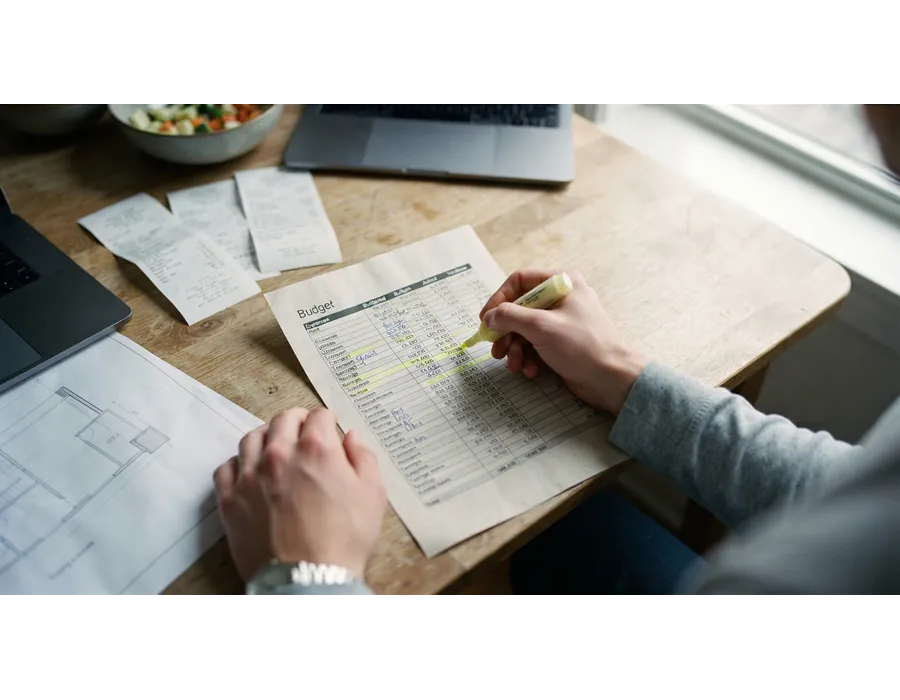
Manual ledger systems rely on shared physical notebooks or digital spreadsheets where partners or roommates record joint spending as it occurs. Every grocery bill, utility statement, and internet invoice is logged with the date, buyer name, and amount. At the end of the monthly billing cycle, totals are summed up and divided according to prior agreements.
This approach offers maximum control and custom layout options without requiring third-party subscriptions or account linkage. It is ideal for detail-oriented individuals who want complete control over expense categorization. However, manual recording relies on continuous discipline. Unrecorded receipts during high-stress academic periods lead to missing data and end-of-month confusion.
Proportional Allocation Frameworks
Proportional allocation divides shared expenses based on each person available monthly funding rather than an arbitrary equal split. For example, if one partner receives a larger monthly student stipend or works more hours, shared costs like rent or groceries are split on a sixty-forty ratio. The tracking system records total joint expenses and calculates individual target contributions accordingly.
This setup creates fairness in relationships where partners have uneven monthly resources. It reduces strain on the partner operating with tighter financial limits. The limitation is that it requires open communication regarding available monthly money and periodic recalculated ratios whenever student bursaries or work hours change.

Dedicated Expense Tracking Applications
Dedicated expense tracking applications like specialized mobile tools streamline household accounting by automating bill calculations and balance updates. Users input spending amounts on the go, categorize items instantly, and view current balances without manual formula upkeep. These tools eliminate calculation errors and send quick updates to all housemates simultaneously.
Digital tools work best for busy student households that share frequent micro-expenses throughout the week. They provide clear visibility over who paid for what in real time. The main tradeoff is reliance on application interface updates and ensuring every roommate actively installs and uses the tool consistently.
| System Approach | Manual Effort | Best Suited For |
|---|---|---|
| Manual Ledger System | High | Detail-oriented students with simple fixed utility bills |
| Proportional Allocation | Medium | Couples or partners with differing monthly student budgets |
| Digital Tracking App | Low | Active roommates with frequent daily micro-purchases |
Selecting the Right Expense System
Choosing between these frameworks comes down to your household group dynamics, logging habits, and schedule flexibility. Simple equal splits on spreadsheets work well for short-term roommate arrangements with static costs. Proportional models suit long-term couples seeking equitable shared responsibility. Automated digital tracking serves active multi-tenant apartments where manual logging quickly breaks down.
Evaluate your current routine before switching systems. Transitioning to a simpler model often saves hours of administration each month and prevents recurring household friction.
Select a manual spreadsheet system if you prefer complete layout control for fixed expenses. Choose a proportional framework if living with a partner on an uneven budget. Opt for a digital tracking application if your household manages daily shared micro-purchases. Selecting a system that matches your realistic routine ensures long-term clarity and peace of mind.
FAQ
How do couples decide between equal and proportional expense splits?
Equal splits suit equal funding levels, while proportional splits align shared costs with differing individual monthly budgets.
What happens when one roommate fails to log expenses on time?
Unlogged receipts distort monthly totals, making weekly quick-checks useful for maintaining balance accuracy.
Does this comparison offer financial or legal recommendations?
The service helps users track and organize shared expenses. This is not financial advice or formal consulting.